Symbols often play a powerful role in raising awareness about serious social issues. One such symbol is the domestic violence ribbon, which represents support for survivors and the fight to end abuse in families and relationships. Across the United States and many other parts of the world, people wear or display this ribbon to show solidarity with victims and to help bring attention to domestic violence.
Although it may look like a simple colored ribbon, the domestic violence ribbon carries a deep message about safety, support, and awareness. Understanding what it represents can help individuals recognize the importance of addressing domestic violence and supporting those who experience it.
This article explains the meaning behind the domestic violence ribbon, its history, why it is important, and how people can participate in spreading awareness.
What Is the Domestic Violence Ribbon?
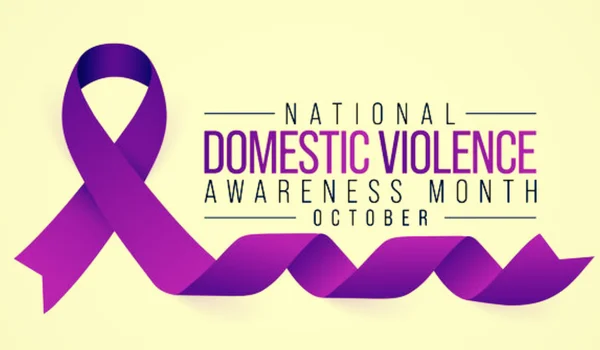
The domestic violence ribbon is a symbolic ribbon used to raise awareness about domestic abuse and support survivors. The ribbon is typically purple, which has become the widely recognized color for domestic violence awareness.
People may wear the ribbon:
- On clothing
- As a pin or bracelet
- On social media profiles
- During awareness campaigns or events
The ribbon is meant to spark conversations and remind communities that domestic violence is a serious issue that affects many families.
Why the Color Purple Is Used
The purple ribbon was chosen because the color often symbolizes courage, survival, dignity, and strength.
For survivors of domestic violence, these qualities are especially meaningful. Many people who leave abusive relationships must show incredible strength and determination to rebuild their lives.
Because of this symbolism, purple became the color used by organizations and advocates working to prevent domestic abuse.
During awareness campaigns, buildings, landmarks, and social media posts are often decorated with purple to highlight the issue.
The Connection to Domestic Violence Awareness Month
The purple ribbon is especially visible during Domestic Violence Awareness Month.
This nationwide campaign takes place every October in the United States and aims to educate the public about domestic violence and support survivors.
During this month, communities organize activities such as:
- Awareness walks
- Educational events
- Fundraisers for shelters
- Public discussions about healthy relationships
Many participants wear purple ribbons during these events to show their support.
Organizations such as National Coalition Against Domestic Violence and other advocacy groups help promote these campaigns across the country.
Why Awareness Matters
Domestic violence is more common than many people realize. It can affect people of any age, gender, or background.
Domestic violence may include:
- Physical abuse
- Emotional or psychological abuse
- Threats and intimidation
- Financial control
- Stalking or harassment
Because domestic violence often happens behind closed doors, victims may feel isolated or afraid to speak out.
Awareness campaigns using symbols like the purple ribbon help break the silence surrounding abuse.
When communities talk openly about domestic violence, it becomes easier for victims to seek help and support.
What the Domestic Violence Ribbon Represents
The domestic violence ribbon stands for several important ideas.
Support for Survivors
Wearing the ribbon shows support for people who have experienced abuse. It reminds survivors that they are not alone and that others care about their safety and well-being.
Recognition of the Problem
Domestic violence is often hidden from public view. The ribbon helps bring attention to the issue and encourages communities to take it seriously.
Education and Prevention
Awareness campaigns help educate people about:
- Healthy relationships
- Warning signs of abuse
- Resources available to victims
Education plays an important role in preventing future violence.
Hope and Change
The ribbon also represents hope that communities can work together to reduce domestic violence and create safer environments for families.
Who Wears the Domestic Violence Ribbon?
Many different groups wear or display the domestic violence ribbon.
These include:
- Survivors of domestic abuse
- Family members and friends supporting survivors
- Advocates working to prevent violence
- Law enforcement officers
- Healthcare workers
- Teachers and community leaders
Even people who have not experienced domestic violence personally may wear the ribbon to show solidarity and help spread awareness.
How Communities Use the Domestic Violence Ribbon
Communities often use the ribbon as part of larger awareness campaigns.
Some common examples include:
Awareness Walks and Events
Many cities organize domestic violence awareness walks where participants wear purple ribbons or clothing to show support for survivors.
These events help bring people together and encourage community involvement.
Social Media Campaigns
In today’s digital world, the domestic violence ribbon is also used online.
People may:
- Share purple ribbon images
- Post awareness messages
- Support organizations working to prevent domestic violence
These online campaigns help spread awareness to a wider audience.
Educational Programs
Schools, workplaces, and community groups sometimes host educational events during Domestic Violence Awareness Month.
Participants may receive purple ribbons or informational materials explaining the importance of recognizing abuse.
Recognizing the Signs of Domestic Violence
One goal of the domestic violence ribbon campaign is to help people recognize the signs of abuse.
Some common warning signs include:
- Frequent injuries or unexplained bruises
- Extreme jealousy or controlling behavior
- Isolation from friends or family
- Fearful behavior around a partner
- Constant criticism or humiliation
Recognizing these warning signs can help friends, family members, and coworkers support someone who may be experiencing abuse.
How People Can Support Domestic Violence Awareness
Anyone can help raise awareness about domestic violence.
Some simple ways to get involved include:
Wearing the Purple Ribbon
Wearing the ribbon during awareness events or throughout October can start conversations and spread awareness.
Learning About Domestic Violence
Educating yourself about the issue helps you recognize warning signs and understand how to support victims.
Supporting Advocacy Organizations
Many nonprofit groups provide critical services for survivors, including shelters, counseling, and legal assistance.
Supporting organizations such as National Coalition Against Domestic Violence helps strengthen these efforts.
Speaking Up Against Abuse
Promoting healthy relationships and speaking out against abusive behavior can help change attitudes in communities.
When people openly discuss domestic violence, it becomes harder for abuse to remain hidden.
The Importance of Community Support
Domestic violence affects not only individuals but also families and entire communities.
Community support can make a huge difference in helping victims escape dangerous situations.
Support may include:
- Listening without judgment
- Encouraging victims to seek professional help
- Helping connect them with resources
Even small acts of kindness and support can give victims the courage to seek safety.
Final Thoughts
The domestic violence ribbon is a powerful symbol representing awareness, support, and hope for those affected by abuse. The purple ribbon reminds communities that domestic violence is a serious issue that requires attention, compassion, and action.
Through campaigns like Domestic Violence Awareness Month, individuals and organizations work together to educate the public, support survivors, and promote safer relationships.
By wearing the ribbon, learning about the issue, and supporting advocacy efforts, people can help create a future where families and relationships are built on respect, safety, and trust.