When domestic violence allegations involve a well-known celebrity, public attention can be intense. News spreads quickly on social media, opinions form instantly, and facts can easily become mixed with rumors. Searches like “Playboi Carti domestic violence” reflect a broader public question: How does U.S. law handle domestic violence allegations involving famous individuals, and what should the public understand before drawing conclusions?
This article explains the legal framework, rights of all parties, and responsibilities of media and the public when domestic violence allegations involve a celebrity—using clear, simple language. It is written for everyday readers seeking understanding and for law practices that handle domestic violence or high-profile cases.
First, an Important Legal Principle
Under U.S. law:
An allegation is not a conviction.
No matter who the person is—celebrity or private citizen—everyone is:
- Presumed innocent until proven guilty
- Entitled to due process
- Entitled to a fair investigation and legal defense
At the same time, allegations of domestic violence must be taken seriously, because victims often face real danger and barriers to reporting.
Both of these principles can exist at the same time.
Why Celebrity Domestic Violence Allegations Get So Much Attention
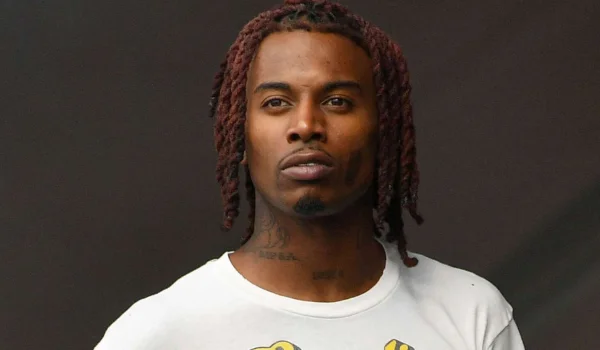
Cases involving famous musicians, athletes, or actors draw attention because:
- Celebrities have large platforms and influence
- Fans feel emotionally connected to them
- Media coverage spreads faster than court proceedings
- Social media amplifies speculation
However, the law does not change based on fame.
A domestic violence case involving a celebrity follows the same legal framework as any other case.
What Counts as Domestic Violence Under U.S. Law?
Domestic violence is defined by behavior, not by fame or public image.
It can include:
- Physical harm or threats
- Emotional or psychological abuse
- Coercive control
- Stalking or intimidation
- Destruction of property
- Abuse involving a current or former intimate partner
Courts focus on evidence and conduct, not reputation or popularity.
How Domestic Violence Allegations Are Handled Legally
When domestic violence allegations are reported—whether involving Playboi Carti or anyone else—the legal process generally follows the same path.
- Report or Complaint
An allegation may come from:
- A police report
- A third-party witness
- A request for a protection order
- A criminal complaint
Not all reports immediately result in charges.
- Investigation
Law enforcement may:
- Interview involved parties
- Review medical or photographic evidence
- Collect messages, recordings, or witness statements
Investigations can take time, especially in complex or high-profile cases.
- Charges (If Filed)
Prosecutors—not victims—decide whether to file criminal charges based on:
- Available evidence
- Credibility assessments
- Legal standards
No charges means insufficient evidence, not proof that nothing happened.
- Court Proceedings
If charges are filed, the accused has:
- The right to an attorney
- The right to challenge evidence
- The right to a trial or negotiated resolution
The accuser may seek:
- Criminal accountability
- Civil protection orders
- Privacy protections
Protection Orders and Civil Remedies
Even without a criminal conviction, courts may issue protective or restraining orders if a judge believes there is a risk of harm.
These orders can:
- Limit contact
- Require distance from the accuser
- Affect custody or visitation
- Carry criminal penalties if violated
This system prioritizes safety while legal questions are resolved.
The Role of Media and Social Media
High-profile cases often unfold online before they unfold in court.
Legal Risks of Public Speculation
From a legal standpoint:
- Public accusations can raise defamation concerns
- Online harassment can affect witnesses
- Misinformation can influence jury pools
- Survivors may be retraumatized by speculation
Responsible reporting avoids declaring guilt before courts do.
Impact on Survivors in Celebrity Cases
When the accused is famous, survivors may face:
- Public scrutiny
- Online harassment
- Disbelief or fan backlash
- Fear of not being taken seriously
These pressures are well-documented barriers to reporting domestic violence and are recognized by advocates and courts.
Impact on the Accused in High-Profile Cases
At the same time, accused individuals—famous or not—may face:
- Career consequences before any legal outcome
- Public judgment without due process
- Permanent online records of allegations
That is why the legal system insists on evidence and procedure, not public opinion.
What Law Practices Should Keep in Mind
For attorneys handling domestic violence cases involving public figures:
- Maintain strict confidentiality
- Advise clients on media exposure risks
- Separate legal strategy from public narrative
- Focus on evidence, not headlines
- Protect survivor safety and rights
- Uphold ethical standards in public commentary
High-profile cases require especially careful legal navigation.
Why the Law Avoids “Trial by Public Opinion”
U.S. domestic violence law is designed to:
- Protect victims
- Hold offenders accountable
- Prevent false or exaggerated claims from replacing evidence
- Ensure fairness to all parties
When cases become social media battles, justice can be undermined on both sides.
Common Myths in Celebrity Domestic Violence Cases
Myth: Fame changes the law
Truth: The law applies equally to everyone
Myth: No charges mean no harm occurred
Truth: Many valid cases lack sufficient evidence for prosecution
Myth: Allegations equal guilt
Truth: Only courts determine guilt
Myth: Talking online helps victims
Truth: Public speculation often causes harm
Frequently Asked Questions (FAQ)
- Has Playboi Carti been convicted of domestic violence?
A conviction can only be determined by a court of law. Allegations and reports are not convictions.
- Do celebrities get special treatment in domestic violence cases?
Legally, no. In practice, visibility can increase scrutiny—but the legal standards are the same.
- Can a case exist without criminal charges?
Yes. Civil protection orders and investigations can occur without criminal prosecution.
- Should fans take sides online?
From a legal and ethical standpoint, it’s better to avoid judgment until facts are established.
- What should survivors do if their abuser is famous?
Seek confidential legal and advocacy support. Fame does not remove legal protections.
Final Thoughts: Law, Accountability, and Responsibility
Searches like “Playboi Carti domestic violence” reflect a broader issue—not just curiosity about one individual, but confusion about how domestic violence allegations work when fame is involved.
U.S. domestic violence law is built on two core values:
- Safety for victims
- Fair process for the accused
Both matter. Neither should be sacrificed for clicks, outrage, or loyalty to a public figure.
For everyday readers, the key takeaway is simple: take abuse seriously, respect due process, and avoid spreading unverified claims.
For law practices, the lesson is equally clear: handle these cases with precision, discretion, and humanity—because the stakes are high for everyone involved.