Many couples in Massachusetts live together for years, share finances, buy property, and raise children—without ever getting a marriage license. That often leads to a common question:
Does Massachusetts recognize common law marriage?
If you live in Massachusetts or are dealing with a Massachusetts legal issue, this guide explains how common law marriage works in Massachusetts, what the law allows, what it does not allow, and how unmarried couples can protect themselves.
What Is Common Law Marriage?
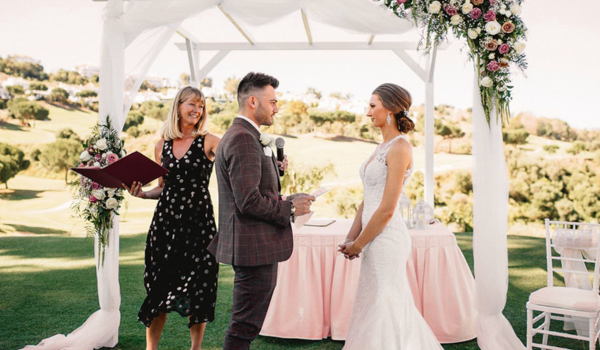
A common law marriage is a marriage created without a formal wedding or marriage license. In states that allow it, couples may become legally married by:
- Living together for a long time
- Intending to be married
- Presenting themselves publicly as husband and wife
However, Massachusetts does not allow couples to create a common law marriage.
Does Massachusetts Recognize Common Law Marriage?
No.
Massachusetts does not permit common law marriages to be formed within the state, no matter how long a couple lives together or how committed the relationship is.
This means:
- Living together for many years does not make you married
- Sharing finances or property does not make you married
- Calling each other “husband” or “wife” does not make you married
Without a valid marriage license and ceremony, Massachusetts law considers the couple legally unmarried.
Important Exception: Out-of-State Common Law Marriages
Even though Massachusetts does not allow common law marriage, it does recognize valid common law marriages created in other states.
If:
- A couple legally formed a common law marriage in a state that allows it (such as Texas, Colorado, or Iowa), and
- The marriage met that state’s legal requirements
👉 Massachusetts will usually recognize the marriage as valid.
This follows the general legal principle that a marriage valid where formed is valid elsewhere.
States That Allow Common Law Marriage
Some states that still recognize common law marriage (with specific requirements) include:
- Texas
- Colorado
- Iowa
- Kansas
- Montana
- South Carolina (for relationships formed before it ended the practice)
If your relationship began in one of these states, Massachusetts courts may recognize it—but you must prove it.
How Massachusetts Courts Evaluate Out-of-State Common Law Marriages
Massachusetts courts typically look for evidence such as:
- Mutual intent to be married
- Living together in the state that allows common law marriage
- Public representation as a married couple
Examples of proof include:
- Joint tax returns
- Shared bank accounts or property
- Insurance records listing a spouse
- Testimony from friends or family
- Use of the same last name
Without clear proof, the court may find no valid marriage existed.
Living Together in Massachusetts: What the Law Actually Says
If you live together in Massachusetts without a formal marriage:
You ARE:
- Allowed to cohabit
- Allowed to share finances and property
- Allowed to raise children together
You are NOT:
- Legally married
- Entitled to spousal support
- Protected by divorce laws
- Automatically entitled to inherit
This often surprises couples who assume long-term relationships create marital rights.
What Happens When an Unmarried Relationship Ends?
Because there is no marriage, there is:
- No divorce process
- No automatic division of property
- No spousal alimony
Instead, disputes are handled under:
- Property law
- Contract law
Ownership usually depends on whose name is on the title or account, not how long the relationship lasted.
Property and Inheritance Issues
Property Rights
Property belongs to the person whose name is on it unless a written agreement states otherwise.
Inheritance Rights
Without a valid marriage:
- A partner does not automatically inherit
- Massachusetts intestacy laws do not apply to unmarried partners
A will or trust is essential to protect an unmarried partner.
What About Children?
Children are fully protected under Massachusetts law, regardless of their parents’ marital status.
The law provides:
- Child support
- Custody and parenting time
- Legal recognition of parental rights
Marriage status does not affect a child’s legal protections.
How Unmarried Couples Can Protect Themselves in Massachusetts
If you live together but are not married, consider:
- Cohabitation Agreement
A written agreement covering:
- Property ownership
- Financial responsibilities
- What happens if the relationship ends
- Estate Planning
Wills, trusts, and beneficiary designations are critical.
- Medical and Financial Powers of Attorney
Allows your partner to make decisions in emergencies.
- Legal Marriage
The only way to receive full marital rights in Massachusetts.
Common Myths About Common Law Marriage in Massachusetts
Myth: Living together for 7 years creates a marriage
❌ False
Myth: Calling each other husband and wife makes it legal
❌ False
Myth: Having children creates common law marriage
❌ False
Myth: Massachusetts recognizes common law marriage
❌ False (except valid out-of-state marriages)
Why This Topic Matters for Law Practices
Common law marriage confusion frequently appears in:
- Estate and probate disputes
- Family law consultations
- Property disagreements
- Support and inheritance claims
Clear client education helps avoid unnecessary litigation and frustration.
Frequently Asked Questions (FAQ)
Is common law marriage legal in Massachusetts?
No. Massachusetts does not allow common law marriages to be formed within the state.
Will Massachusetts recognize a Texas common law marriage?
Yes, if it was legally formed under Texas law.
Can unmarried partners get alimony in Massachusetts?
No, unless there was a valid marriage.
Do unmarried partners have inheritance rights?
No, not without a will or estate plan.
Should unmarried couples sign agreements?
Yes. It’s highly recommended.
Final Thoughts
Massachusetts law is clear:
No marriage license, no ceremony, no marriage—unless it was legally formed in another state.
For couples, understanding this prevents serious financial and emotional consequences. For legal professionals, clear explanations build trust and reduce confusion.
If you’re unsure about your legal status or rights, speaking with a Massachusetts family law attorney can help clarify your options.