Divorce is one of the most stressful life events anyone can face. Along with emotional challenges, there’s confusion about legal rights, money, children, property, and timelines. If you’re dealing with divorce in California—or thinking about it—you’re probably asking simple but important questions:
- How does divorce actually work in California?
- What happens to property, money, and debt?
- How long does the process take?
- What about spousal support and children?
California divorce laws are designed to be fair, predictable, and focused on moving people forward, not punishing anyone. But the system can still feel overwhelming if you don’t understand how it works.
This guide breaks down California divorce laws in clear, everyday language, while still being detailed enough for legal professionals and law practices.
California Is a No-Fault Divorce State
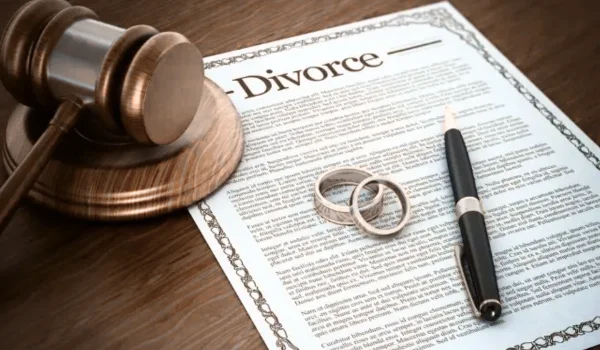
One of the most important things to understand is that California is a no-fault divorce state.
What “No-Fault” Means
You do not have to prove:
- Cheating
- Abuse
- Abandonment
- Addiction
- Bad behavior
The most common legal reason for divorce is “irreconcilable differences,” which simply means the marriage cannot continue.
Even if one spouse wants to stay married, the other spouse can still file for divorce. Consent is not required.
Why This Matters
- The court does not assign blame
- Fault usually does not affect property division or support
- The focus is on resolution, not punishment
Residency Requirements to File for Divorce
To file for divorce in California, at least one spouse must meet residency rules:
- 6 months living in California
- 3 months living in the county where the divorce is filed
If these requirements are not met, couples may start with a legal separation, which has similar rules but does not end the marriage.
Types of Divorce in California
Uncontested Divorce
This happens when both spouses agree on:
- Property division
- Support
- Custody (if children are involved)
Uncontested divorces are:
- Faster
- Less expensive
- Less stressful
Contested Divorce
A contested divorce occurs when spouses disagree on one or more issues. This may require:
- Negotiation
- Mediation
- Court hearings
- A judge’s final decision
Most divorces fall somewhere in between—partly agreed, partly disputed.
Community Property Law: How Assets Are Divided
California is a community property state, which is one of the most important aspects of its divorce law.
What Is Community Property?
Generally, anything acquired during the marriage is owned equally by both spouses, including:
- Income and wages
- Homes and real estate
- Retirement accounts
- Businesses started during marriage
- Debts incurred during marriage
These are usually divided 50/50 at divorce.
Separate Property
Separate property typically includes:
- Assets owned before marriage
- Gifts or inheritances given to one spouse
- Assets acquired after separation
Separate property usually stays with the original owner, unless it was mixed with marital assets.
Why This System Exists
California’s goal is fairness and predictability, not rewarding or punishing either spouse.
Spousal Support (Alimony) in California
Spousal support is money paid by one spouse to the other to help maintain financial stability after separation or divorce.
Two Types of Spousal Support
Temporary Support
- Paid while the divorce is ongoing
- Helps maintain stability during the process
Long-Term (Post-Judgment) Support
- Ordered after the divorce is finalized
- Based on fairness and future needs
Factors Courts Consider
Courts look at many things, including:
- Length of the marriage
- Income and earning ability of both spouses
- Age and health
- Standard of living during the marriage
- Whether one spouse sacrificed career opportunities
There is no automatic alimony in California. Every case is evaluated individually.
Length of Marriage Matters—But Not Automatically
While California law does not set rigid rules, the length of the marriage strongly affects spousal support.
Short-Term Marriages
- Often under 10 years
- Support may last about half the length of the marriage
Long-Term Marriages (10+ Years)
- Courts may retain ongoing authority over support
- Support may last longer
- There is no automatic lifetime support
The goal is to help the supported spouse become financially independent, when reasonably possible.
Child Custody Laws in California
When children are involved, the child’s best interest is the court’s top priority.
Types of Custody
Legal Custody
Who makes major decisions about:
- Education
- Health care
- Religion
Physical Custody
Where the child lives and how time is shared.
Courts often encourage shared custody, unless there are safety concerns.
What Courts Consider
- Stability and consistency
- Parental involvement
- Child’s emotional and physical safety
- Ability of parents to cooperate
Marriage length does not control custody decisions.
Child Support in California
Child support is calculated using a statewide formula, not guesswork.
Key Factors
- Each parent’s income
- Time spent with the child
- Health insurance costs
- Other support obligations
Child support is meant to cover:
- Housing
- Food
- Clothing
- Education
- Medical needs
Child support usually continues until the child turns 18, or 19 if still in high school.
Mandatory Waiting Period
Even if everything is agreed upon, California requires a minimum 6-month waiting period before a divorce can be finalized.
This period starts when:
- The other spouse is officially served, or
- The spouse files a response
The waiting period exists to ensure thoughtful decision-making.
Legal Separation vs Divorce
Some couples choose legal separation instead of divorce.
Key Differences
- Legal separation does not end the marriage
- Divorce legally ends the marriage
- Legal separation has no residency requirement
Legal separation is often chosen for:
- Religious reasons
- Health insurance benefits
- Financial planning
Financial Disclosure Is Mandatory
California law requires full financial transparency.
Each spouse must disclose:
- Income
- Assets
- Debts
- Expenses
Hiding assets or income can lead to:
- Court penalties
- Loss of credibility
- Unfair outcomes
Honesty is not optional—it’s required.
Can You Divorce Without a Lawyer?
Yes, it is possible, especially in:
- Uncontested divorces
- Low-conflict cases
- No children or simple finances
However, legal advice is strongly recommended when:
- Property is complex
- Children are involved
- One spouse earns significantly more
- There is disagreement or power imbalance
Many people also use mediation as a middle ground.
Why California Divorce Law Focuses on Fairness
California divorce laws are designed to:
- Reduce conflict
- Protect children
- Encourage financial independence
- Promote equal treatment of spouses
The system is not perfect, but it aims for balanced outcomes, not winners and losers.
Final Thoughts
Divorce in California can feel overwhelming, but understanding the law removes much of the fear.
The most important things to remember are:
- California is a no-fault state
- Property is usually divided 50/50
- Support is not automatic
- Children’s best interests come first
- Every case is unique
Whether you are an individual facing divorce or a legal professional guiding clients, clarity is the key to better decisions and better outcomes.