Domestic violence is a serious issue that affects millions of people each year. In the United States, domestic abuse can happen in many types of relationships and often goes unnoticed for long periods of time. Many victims do not immediately realize they are experiencing abuse because it can begin slowly and become more severe over time.
Understanding the signs of domestic violence is important because early recognition can help protect people from harm and encourage them to seek support. Domestic violence does not only involve physical attacks. It can also include emotional manipulation, financial control, intimidation, and other harmful behaviors.
This article explains the common warning signs of domestic violence and how individuals can recognize when a relationship may be unhealthy or dangerous.
What Is Domestic Violence?
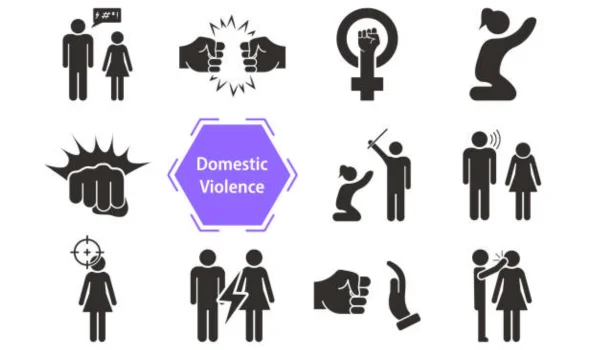
Domestic violence refers to a pattern of abusive behavior used by one person to control or harm another person in a close relationship.
These relationships may include:
- Married couples
- Dating partners
- Former partners
- Family members
- People living in the same household
Domestic violence can include several types of abuse:
- Physical abuse
- Emotional or psychological abuse
- Sexual abuse
- Financial control
- Threats and intimidation
Because abuse can take many forms, recognizing the signs is not always easy.
Physical Signs of Domestic Violence
Physical abuse is often the most visible form of domestic violence.
Common signs may include:
- Bruises, cuts, or unexplained injuries
- Frequent “accidents” that cause physical harm
- Wearing clothing that covers injuries, such as long sleeves in warm weather
- Fear of being touched or approached suddenly
Sometimes victims try to hide these injuries or explain them away to avoid drawing attention.
Physical violence may include:
- Hitting
- Slapping
- Punching
- Kicking
- Pushing or shoving
Even one incident of physical harm can be considered domestic violence.
Emotional and Psychological Signs
Not all abuse leaves visible injuries. Emotional abuse can be just as damaging.
Common signs of emotional abuse include:
- Constant criticism or humiliation
- Insults or name-calling
- Making a partner feel worthless
- Blaming the victim for problems in the relationship
Emotional abuse often lowers a person’s self-confidence and makes them feel trapped in the relationship.
A person experiencing emotional abuse may appear:
- Anxious or depressed
- Extremely apologetic
- Afraid to speak openly in front of their partner
Over time, emotional abuse can have long-term mental health effects.
Controlling Behavior
One major warning sign of domestic violence is controlling behavior.
An abusive partner may try to control many aspects of the victim’s life.
Examples include:
- Monitoring phone calls or text messages
- Checking social media accounts
- Controlling where the person goes
- Demanding to know their location at all times
Control can also extend to relationships with friends and family.
For example, an abusive partner may try to isolate the victim by:
- Preventing them from seeing friends
- Creating arguments whenever they visit family
- Discouraging outside relationships
Isolation makes it harder for victims to seek help.
Financial Control
Another common form of abuse is financial control, sometimes called economic abuse.
This occurs when one partner uses money as a way to control the other person.
Examples include:
- Preventing a partner from working
- Taking control of bank accounts
- Refusing to allow access to money
- Forcing the victim to account for every purchase
Financial abuse can make victims feel trapped because they may not have the resources to leave the relationship.
Threats and Intimidation
Threatening behavior is another serious sign of domestic violence.
An abusive partner may:
- Threaten to harm the victim
- Threaten to harm children or pets
- Threaten self-harm to manipulate the victim
- Destroy personal belongings during arguments
Even if the threats are not carried out, they can create a climate of fear and emotional pressure.
Many victims stay in abusive relationships because they are afraid of what might happen if they leave.
Signs in Social Behavior
Sometimes friends or family members notice warning signs before the victim does.
Behavioral signs may include:
- Suddenly withdrawing from social activities
- Avoiding conversations about their partner
- Appearing nervous when receiving phone calls or messages
- Canceling plans frequently because of their partner
These behaviors may indicate that someone is experiencing pressure or control within their relationship.
Signs in Children Living in Violent Homes
Children who witness domestic violence can also show warning signs.
These may include:
- Anxiety or fear around certain adults
- Difficulty sleeping or frequent nightmares
- Sudden changes in behavior or school performance
- Aggressive or withdrawn behavior
Exposure to domestic violence can affect children emotionally and psychologically, even if they are not physically harmed.
Why Victims Often Do Not Leave Immediately
Many people wonder why someone would stay in an abusive relationship. The answer is often complicated.
Victims may remain in the relationship because of:
- Fear of retaliation
- Financial dependence
- Emotional attachment
- Concern for children
- Lack of support or resources
In some cases, abusive partners apologize and promise to change after violent incidents, creating a cycle of abuse that keeps victims hopeful the relationship will improve.
Understanding these challenges can help people support victims with empathy rather than judgment.
The Cycle of Domestic Violence
Domestic violence often follows a repeating pattern known as the cycle of abuse.
This cycle may include several stages:
Tension Building
Arguments, stress, and emotional pressure increase during this stage.
Incident
The abusive behavior occurs. This could involve physical violence, threats, or intense emotional abuse.
Reconciliation
The abusive partner may apologize, promise to change, or show affection.
Calm Period
For a while, the relationship may appear stable before tensions begin building again.
Recognizing this pattern can help people understand why domestic violence often continues over time.
Getting Help and Support
If someone recognizes signs of domestic violence in their relationship or in someone else’s life, seeking help can be an important step.
Support options may include:
- Domestic violence hotlines
- Counseling services
- Legal assistance
- Emergency shelters
- Support groups
Many communities provide confidential resources to help victims stay safe and plan for the future.
Friends and family members can also play an important role by offering support without judgment.
Legal Protection for Victims
Domestic violence victims in the United States may seek legal protection through the courts.
Common legal protections include:
- Protective orders
- Restraining orders
- Criminal charges against the abuser
These legal tools are designed to help victims stay safe and prevent further harm.
Law enforcement and courts treat domestic violence cases very seriously because of the risks involved.
Final Thoughts
Recognizing the signs of domestic violence is an important step toward protecting individuals and families. Abuse can take many forms, including physical harm, emotional manipulation, financial control, and threats.
Because domestic violence often develops gradually, victims may not immediately recognize the warning signs. Understanding these behaviors can help people identify unhealthy relationships and seek support before the situation becomes more dangerous.
If someone believes they are experiencing domestic violence, reaching out for help can provide support, safety, and the opportunity to build a healthier future. No one deserves to live in fear, and support is available for those who need it.