Many people assume that living together for a long time automatically creates a legal marriage. In most U.S. states, that is not true. However, a few states still recognize something called common law marriage, which can create legal marriage rights without a wedding or marriage license.
This article explains:
- What common law marriage really means
- Which states recognize it
- States that used to allow it
- States that never recognize it
- Why this matters for couples and legal professionals
All explained in simple, easy-to-understand language.
What Is Common Law Marriage?
Common law marriage is a legally recognized marriage created by behavior, not paperwork.
In states that allow it, a couple may be considered married if they:
- Live together
- Intend to be married
- Act like a married couple in public
No ceremony. No marriage license. Yet the law may treat them as legally married.
How Many States Recognize Common Law Marriage Today?
As of now, only a small number of U.S. states recognize common law marriage.
Most states do not allow it at all, while some recognize it only under very specific conditions.
States That Fully Recognize Common Law Marriage
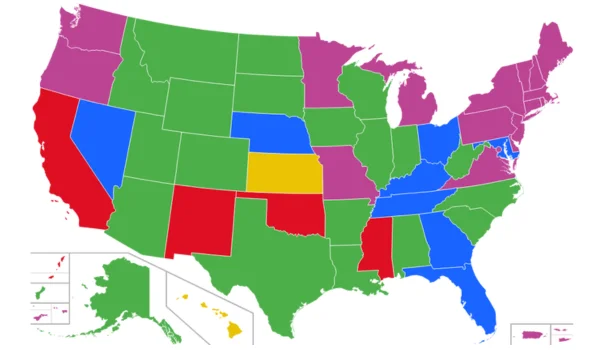
These states currently recognize common law marriage if legal requirements are met:
- Texas
- Calls it “informal marriage”
- Requires agreement to be married, cohabitation, and holding out as spouses
- Colorado
- Recognizes common law marriage without a minimum time requirement
- Focuses heavily on mutual intent
- Iowa
- Requires clear intent and public representation
- Kansas
- One of the most common states for common law claims
- Montana
- Recognizes common law marriage but with strict proof standards
- Rhode Island
- Recognizes it under limited circumstances
- South Carolina
- Only recognizes common law marriages created before 2019
- No new common law marriages after that year
States That Recognize Common Law Marriage Only in Limited Situations
Some states don’t allow new common law marriages but still recognize older ones or marriages from other states.
Examples include:
- Pennsylvania (only if created before 2005)
- Alabama (only if created before 2017)
- Ohio (only if created before 1991)
- Georgia (only if created before 1997)
- Idaho (older marriages only)
These states honor existing common law marriages, but do not allow new ones.
States That Do NOT Recognize Common Law Marriage at All
Most U.S. states do not recognize common law marriage, no matter how long a couple lives together.
Examples include:
- California
- Florida
- New York
- New Jersey
- Illinois
- Virginia
- Washington
- Oregon
- Arizona
- Nevada
In these states:
- Living together does NOT equal marriage
- No amount of time creates a legal marriage
- A marriage license is required
Important Rule: Interstate Recognition
Even if your state does not allow common law marriage, it may still recognize one formed legally in another state.
Example:
- A couple forms a valid common law marriage in Texas
- They later move to California
- California may recognize the marriage because it was valid where created
This is based on long-standing U.S. legal principles.
Why Common Law Marriage Matters So Much
If a common law marriage exists, it can affect:
- Divorce requirements
- Property division
- Inheritance rights
- Spousal support
- Health and insurance benefits
Ending a common law marriage usually requires a formal divorce, just like a traditional marriage.
Common Myths About Common Law Marriage
❌ “Living together for 7 years makes you married”
False. No state uses a time-only rule.
❌ “Having kids automatically makes you married”
False. Children do not create marriage.
❌ “Calling someone my partner means marriage”
Usually false. Language matters, but intent matters more.
How Courts Decide If a Common Law Marriage Exists
Courts may look at:
- How the couple introduced each other
- Tax filings
- Shared last names
- Joint accounts
- Social media posts
- Written statements or agreements
No single factor decides it—it’s the overall picture.
Why This Topic Is Important for Law Practices
Common law marriage claims frequently appear in:
- Divorce cases
- Estate and probate disputes
- Family law matters
- Property ownership conflicts
Understanding which states recognize common law marriage helps lawyers prevent costly disputes and advise clients accurately.
Frequently Asked Questions (FAQ)
How many states have common law marriage?
Only a small minority—fewer than 10—recognize it today.
Can I accidentally become married?
Yes, in states that recognize it—especially Texas and Colorado.
Do all states recognize common law marriages from other states?
Most states do, if the marriage was valid where created.
Is common law marriage disappearing?
Yes. Most states have abolished it over time.
Final Thoughts
Common law marriage still exists in the U.S., but only in a handful of states and under specific conditions.
For couples:
- Know your state’s rules
- Be clear about your relationship status
For legal professionals:
- Proper guidance can prevent serious legal consequences
Understanding what states have common law marriage helps people protect their rights—and avoid unwanted surprises.