Leaving an abusive relationship is one of the hardest—and bravest—steps a person can take. For many survivors of domestic violence, the biggest immediate concern is safe housing. Questions like “Where can I live?”, “Can I break my lease?”, and “Will my abuser be able to find me?” are common and urgent.
This guide explains apartments for domestic violence victims in clear, easy-to-understand language. It covers legal protections, housing options, financial help, and practical steps to secure safe housing. Whether you’re a survivor looking for answers or a law practice helping clients navigate these issues, this article provides a comprehensive roadmap.
Why Housing Is So Critical for Domestic Violence Victims
Housing is not just about having a roof over your head—it’s about safety, stability, and independence.
Domestic violence often involves:
- Control over money
- Threats related to housing
- Fear of being tracked or found
- Damage to credit or rental history
Without safe housing, survivors may feel forced to return to dangerous situations. That’s why U.S. laws and programs increasingly focus on housing protections for domestic violence victims.
Types of Housing Options Available
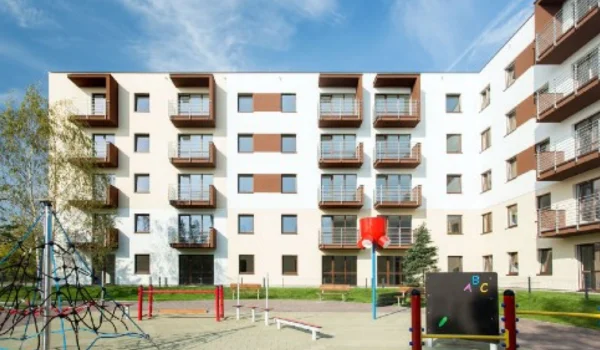
There is no one-size-fits-all solution. Survivors may use different housing options depending on urgency, location, family size, and financial resources.
- Emergency Shelters (Short-Term Safety)
Emergency shelters are often the first step for survivors in immediate danger.
Key features:
- Confidential locations
- Free or low-cost stays
- Support services (counseling, legal referrals)
- Short-term stays (usually weeks)
Shelters prioritize safety but are not meant to be permanent housing.
- Transitional Housing Programs
Transitional housing helps survivors move from crisis to stability.
What to expect:
- Stays from several months up to two years
- Rent assistance or free housing
- Case management and job support
- Help finding permanent apartments
These programs often partner with local nonprofits and domestic violence organizations.
- Private Apartments with Legal Protections
Many survivors eventually move into private rental apartments, and U.S. law provides important protections to help make that possible.
These protections can:
- Allow early lease termination
- Prevent discrimination
- Support privacy and safety measures
Understanding these rights is critical.
Key U.S. Housing Laws Protecting Domestic Violence Victims
The Violence Against Women Act (VAWA)
VAWA is one of the most important laws protecting domestic violence survivors in housing.
VAWA protections apply to:
- Public housing
- Section 8 housing
- Housing funded by federal programs
Under VAWA:
- Victims cannot be denied housing because of abuse
- Eviction cannot be based solely on domestic violence
- Survivors can remove an abuser from the lease
- Housing providers must keep victim information confidential
These protections apply to all genders, not just women.
Fair Housing Act (FHA)
The Fair Housing Act prohibits discrimination in housing.
Domestic violence survivors may be protected if:
- Discrimination is based on sex
- Policies unfairly impact victims
- A landlord refuses reasonable safety accommodations
For example, denying a lock change after a protection order may violate fair housing rules.
State Laws Allowing Lease Termination
Many states allow domestic violence victims to break a lease early without penalty.
Typically, survivors must provide:
- A protection order, police report, or court document
- Written notice to the landlord
This allows survivors to leave unsafe housing without being trapped by a lease.
Finding Apartments That Are Safer for Survivors
While no apartment can guarantee complete safety, certain features and practices help reduce risk.
Safety Features to Look For
- Secure entry systems
- Well-lit parking and walkways
- Deadbolts and window locks
- On-site management
- Flexible lease terms
Survivors may also request reasonable safety accommodations, such as lock changes or unit transfers.
Address Confidentiality and Privacy Concerns
One major fear for survivors is being located by an abuser.
Address Confidentiality Programs (ACP)
Many states offer ACPs that:
- Provide a substitute mailing address
- Keep the survivor’s real address confidential
- Allow mail forwarding
These programs are especially helpful when renting an apartment or applying for utilities.
Financial Help for Apartments
Money is often a major barrier to safe housing.
Common Financial Assistance Options
- Rental assistance grants
- Security deposit help
- Utility assistance
- Emergency housing funds
- Victim compensation programs
Local domestic violence agencies often help survivors apply for these resources.
Credit and Rental History Challenges
Abusers often damage credit or leave survivors with unpaid rent or bills.
Legal Protections May Help
- Some states allow removal of abuse-related debt
- Courts may consider domestic violence when reviewing rental disputes
- Advocates can help explain gaps or issues to landlords
Survivors should not assume bad credit automatically disqualifies them from housing.
Housing for Survivors with Children
Finding apartments with children adds another layer of complexity.
Important considerations include:
- School district stability
- Proximity to childcare
- Space requirements
- Custody or protection orders
Many housing programs prioritize survivors with children due to safety risks.
Immigrant Survivors and Housing
Immigration status should not prevent access to safety.
Key points:
- VAWA protections apply regardless of citizenship
- Emergency shelters do not require immigration status
- Confidentiality rules protect survivors
- Legal advocates can assist with immigration-related concerns
Fear of deportation should never force someone to stay in an abusive home.
How Law Practices Support Housing Safety
For attorneys and legal advocates, housing is often a central issue in domestic violence cases.
Law practices help by:
- Explaining lease termination rights
- Securing protection orders that support housing safety
- Addressing housing discrimination
- Coordinating with advocates and shelters
- Protecting confidentiality in court records
Clear, compassionate legal guidance can literally save lives.
Practical Steps for Survivors Seeking an Apartment
- Prioritize immediate safety
- Contact a local domestic violence hotline or advocate
- Ask about emergency or transitional housing
- Gather legal documents (if available)
- Explore rental assistance programs
- Understand lease and privacy rights
- Consider safety features and location
- Get legal advice if possible
Survivors should move at their own pace—there is no “right” timeline.
Common Myths About Apartments for Domestic Violence Victims
Myth: Survivors must stay in shelters
Truth: Many move directly into apartments with assistance
Myth: Landlords can refuse victims
Truth: Discrimination is often illegal
Myth: Breaking a lease ruins your future
Truth: Many laws protect survivors from penalties
Frequently Asked Questions (FAQ)
- Can I break my lease due to domestic violence?
In many states, yes—especially with documentation like a protection order.
- Can a landlord evict me because of abuse?
Generally no, especially in federally funded housing.
- Can I keep my address private?
Yes, through address confidentiality programs and court protections.
- Do men qualify for domestic violence housing help?
Yes. Housing protections apply to all genders.
- Do I need a lawyer to access housing protections?
Not always, but legal advice can help protect your rights.
Final Thoughts: Safe Apartments Are a Path to Freedom
Apartments for domestic violence victims are more than housing—they are a foundation for healing, safety, and independence. U.S. laws increasingly recognize that survivors need practical protections, not just court orders.
For survivors, knowing your housing rights can open doors that once felt locked.
For law practices, understanding housing protections allows you to advocate more effectively and compassionately.
Safe housing saves lives. And no one should have to choose between homelessness and abuse.