One of the biggest worries people have during divorce is property. Questions like “Will I lose my house?”, “Do I have to split everything?”, or “What happens to my retirement?” are extremely common. If you’re divorcing in Ohio, understanding Ohio divorce laws regarding property can help you avoid surprises and protect your financial future.
Ohio does not simply divide property down the middle. Instead, courts focus on what is fair, based on the facts of each marriage. That makes preparation, documentation, and understanding the law especially important.
This guide explains Ohio property division rules in clear, simple language—helpful for individuals going through divorce and for law practices educating their clients.
The Big Picture: How Ohio Handles Property in Divorce
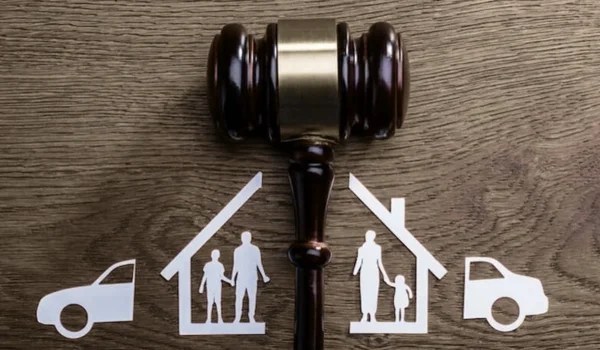
Ohio is an equitable distribution state.
This means:
- Property is divided fairly
- Fair does not always mean equal
- Each case is decided based on specific circumstances
Courts look at the entire marriage, not just who earned more or whose name is on an account.
Marital Property vs. Separate Property in Ohio
The first step in property division is deciding what belongs to the marriage and what belongs to one spouse only.
Marital Property (Usually Divided)
Marital property generally includes:
- Income earned during the marriage
- Homes and real estate purchased during marriage
- Vehicles bought during marriage
- Retirement accounts earned during marriage
- Businesses started or grown during marriage
- Household items and furnishings
- Marital debts (credit cards, loans, mortgages)
Even if only one spouse earned the income, property acquired during the marriage is usually considered marital.
Separate Property (Usually Not Divided)
Separate property may include:
- Assets owned before the marriage
- Inheritances received by one spouse
- Gifts given to one spouse alone
- Personal injury awards (in part)
- Property excluded by a valid prenup or postnup
However, separate property can lose its protection if it is mixed with marital property.
Commingling: How Separate Property Becomes Marital
One of the most common mistakes people make is commingling separate property with marital property.
Commingling happens when:
- Separate money is deposited into a joint account
- Inherited funds are used to pay marital bills
- A premarital house is refinanced in both names
- Separate property cannot be clearly traced
Once commingled, a court may treat some or all of that property as marital.
How Ohio Courts Divide Marital Property
Ohio courts aim for a division that is equitable, meaning fair under the circumstances.
Factors Courts Consider
Judges may look at:
- Length of the marriage
- Each spouse’s income and earning ability
- Contributions to the marriage (financial and non-financial)
- Education and career sacrifices
- Retirement benefits
- Debts and liabilities
- Future financial needs
- Tax consequences
Courts are not required to split everything 50/50 if doing so would be unfair.
The Marital Home: Who Gets the House?
The family home is often the most emotional asset.
Possible outcomes include:
- One spouse keeps the home and buys out the other
- The home is sold and proceeds are divided
- One spouse stays temporarily (often when children are involved)
Courts consider:
- Children’s living stability
- Each spouse’s ability to afford the home
- Equity in the property
- Mortgage responsibility
Keeping the house is not always the best financial decision
Retirement Accounts and Pensions in Ohio Divorce
Retirement benefits are often one of the largest marital assets.
These may include:
- 401(k)s
- IRAs
- Pensions
- Government or union retirement plans
Key Rule
Only the portion earned during the marriage is marital property.
Courts often divide retirement assets using a court order that directs future payments without early withdrawal penalties.
Businesses and Professional Practices
Businesses can be complex in divorce.
A business may be marital property if:
- It was started during the marriage
- It grew significantly due to marital effort
- Marital funds were invested in it
Courts may:
- Assign a value to the business
- Award the business to one spouse
- Offset its value with other assets
Professional valuations are often required.
Debt Division in Ohio Divorce
Divorce is not just about assets—it’s also about debts.
Marital debts may include:
- Credit cards
- Mortgages
- Auto loans
- Personal loans
- Medical bills
Courts divide debts fairly, considering:
- Who incurred the debt
- What the debt was used for
- Each spouse’s ability to pay
A divorce decree does not override agreements with creditors, so refinancing may be necessary.
Property Division and Spousal Support (Alimony)
Property division and spousal support are separate issues, but they influence each other.
Courts consider:
- Property each spouse receives
- Income-producing assets
- Ability to be self-supporting
A spouse receiving significant assets may receive less spousal support.
Property Division and Child Custody
Property division is legally separate from custody decisions.
However:
- Courts may allow a custodial parent to remain in the home temporarily
- Stability for children can influence short-term housing decisions
Custody is based on the child’s best interests, not property ownership.
What Happens If Spouses Agree on Property Division?
Ohio encourages settlement.
If spouses reach an agreement:
- Courts usually approve it
- Agreements save time and money
- Outcomes are more predictable
Many couples use mediation to resolve property disputes.
What If Spouses Cannot Agree?
When disputes remain:
- The court decides property division
- Trials are expensive and stressful
- Outcomes are less predictable
Preparation and documentation become critical.
Common Property Mistakes in Ohio Divorces
- Hiding assets or income
- Moving money without legal advice
- Assuming separate property is automatically protected
- Forgetting about retirement accounts
- Ignoring tax consequences
Mistakes can permanently affect financial stability.
How Divorce Lawyers Help With Property Division
An experienced Ohio divorce lawyer helps clients:
- Identify marital vs. separate property
- Trace commingled assets
- Value businesses and retirement accounts
- Negotiate fair settlements
- Avoid costly legal errors
For law practices, clear property explanations build trust and credibility.
Frequently Asked Questions (FAQ)
- Is property split 50/50 in Ohio?
Not necessarily. Ohio uses equitable (fair) distribution.
- Does my spouse get half my retirement?
Only the portion earned during the marriage is typically divided.
- Can I keep property I owned before marriage?
Usually yes, if it was kept separate.
- What happens to debt in divorce?
Marital debts are divided fairly, not automatically equally.
- Can we decide property division ourselves?
Yes. Courts usually approve fair agreements.
Final Thoughts: Ohio Divorce Laws Regarding Property
Ohio divorce laws regarding property focus on fairness, not formulas. Courts look at the full picture of the marriage—financial contributions, sacrifices, future needs, and stability.
For everyday individuals, understanding these rules helps prevent surprises and protects long-term security.
For law practices, explaining property division in clear language builds confidence and better outcomes.
Divorce changes finances forever. Knowing how Ohio property laws work helps ensure those changes are fair—and manageable.